Blog 2: More Communities: connect, communicate, create and collaborate.

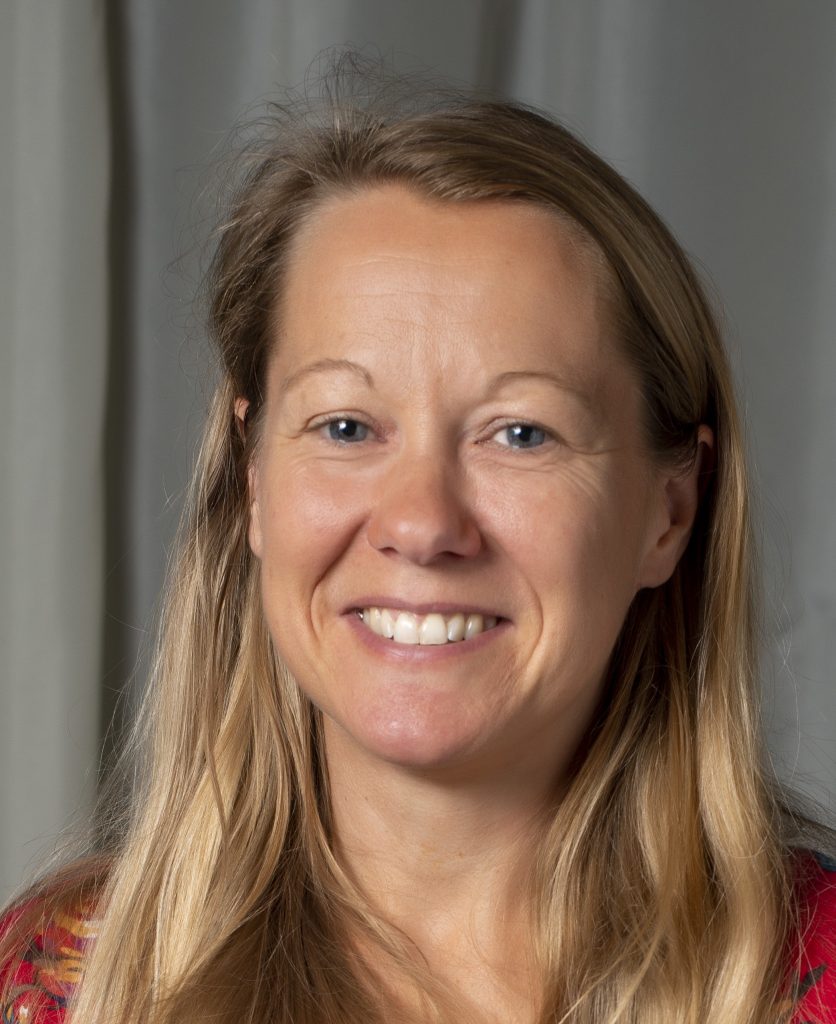
My name is James Waldron and I’m a GP in Nottingham.   I came here from Southampton for University and have loved it so much I’ve never left! Improving the experience for First 5s in the region is at the core of the things I do each week.

Dear All,

The last few months have been quite a rollercoaster of experiences for me, a number of firsts and many many different conversations with fascinating, inspiring people.   Amongst other things, in the last 3 months I have: attended my first RCGP conference as the Vale of Trent First 5 Lead, I have been involved in running and delivering the Next Generation GP Leadership programme for the 2nd Nottinghamshire and Derbyshire, I have attended a Strength Finders course, taken part in the first ever “First 5 Leaders” hakathon, delivered a workshop to newly qualified GPs on leadership and personal development for the Phoenix Preceptorship Programme as well as working towards the upcoming RCGP First 5 conference.

Similarly, to my previous Blog entry, I feel that my experience of this has been really defined by the wonderful people I’ve met, the groups I’ve been a part of and the experiences and conversations that I have had along the way.   Therefore, I would like to kick off the first blog of 2020 entitled “Communities – connect, communicate, create and collaborate.” I hope here to expand on some of the themes from last month’s entry!

The RCGP conference was a great example of this.   Following being appointed as the Co-Lead for the local faculty in March of 2019, whilst I had been part of the monthly gatherings in Nottinghamshire for a long time, it was difficult to know how I fit into the bigger system. I think that as the scope of our practice grows and the system that we work in becomes more complex to navigate, knowing where we fit in on a greater scale is increasingly helpful.

I met, spoke to at length, ate, drank and learnt with First 5 leaders from Cornwall to Aberdeen and was able to share in their leadership experiences and triumphs and the way they supported their members.   It has allowed for collaboration and friendship helping knit together GPs all around the country.   I think the solidarity   gained from understanding that we are part of something much bigger gives strength and resilience in changing and uncertain times.   Whilst I would certainly urge people to get involved in First 5 communities country wide I think that this can definitely be addressed locally too.     The Vale of Trent and Leicester First 5 annual conference is a great example of this – this has been a truly collaborative effort between the leads around the east midlands and is focuses around the support and diversity that is available in the area and gelling together the community that is the First 5s.   (Incidentally there are still a few places left for the day and offers a great opportunity to build this community and gain some interesting CPD too – Free for RCGP members and small fee for others – more info here!)

As mentioned in December’s blog, the First 5 Leaders hakathon event in Birmingham was a great success. This project was led by Jazz Singh of NHSi in Birmingham, and was another example of what CCG and ICS First 5 Leaders from across an area can achieve!   For the uninitiated a Hakathon is a creative process often used by tech companies an on this day 70 or so First 5s from across the region worked from conception, to design and prototype on 10 different ideas for quality improvement in primary care.   These were pitched to a team of “dragons” and the winners are being taken forward with mentorship and guidance to make them a reality.

This day was really rewarding and has shown how our community of First 5s can produce something incredible when brought together.   Whilst this day was fantastic and great fun, one of the most valuable results of this day was the meeting and continual collaboration of the First 5 ICS leads from around the country.   Until this point, we had been vaguely aware of each of other’s existence but not who they were, what they were like and how they were approaching their roles around the country.

There had been previously a “First 5 Network” attempting to connect together different leads however this was unexpectedly and rapidly dissolved, losing these community’s cohesion and communication.   We all felt that this was greatly missed and so since then we have been in communication, looking to arrange meetings and share ideas, thoughts and experiences of working in our CCGs/ICSs/STPs etc.   This has already born fruit and we are looking to continue to see how we can help each other and collaborate.

Finally, communities are building on smaller scales across Nottinghamshire.   Through organisations like the Training Hub and the Phoenix programme, communities of learners are being formed.   Monthly educational events on a range of topics help people find their Tribe of likeminded people, not only for CPD but also to find out about the work experiences and ways of doing things.     The Phoenix preceptorship programme has a growing attendance of First 5s, learning how to navigate the first few years of practice from peers a little further up the ladder.   Some of the most honest and helpful conversations have been born through these interactions – helping guide people in applications and the realities of jobs or directing towards opportunities or simply providing a safe space for consolation, empathy or catharsis (which is often the thing most required).

I think the breadth of the opportunities and communities available in Nottinghamshire is fantastic and there are areas that are looking to recreate some of the success.   I would definitely urge people to get involved with the different programmes going on (links included in the above) and consider how we fit into the national communities of First 5s.   I think that going forward, this will give us strength, influence, resilience and the power to change primary care and our profession for the better.

Check back next month where I look and try and untangle some of the changes happening in the organisation of Primary Care! Complex, but interesting!
Forging the links within communities

Nearly 300 referrals have been made to social prescribing link workers in Nottinghamshire since the initiative was launched.

Mid-Nottinghamshire was first to begin the new scheme in November 2019 and has seen 190 social prescriptions while south Nottinghamshire has made 80 social prescriptions. The figures do not include Nottingham city which is yet to report. South Notts and the city were later to launch the scheme, accepting referrals from January 2020.

Social prescribing  helps patients to improve and better manage their health and wellbeing by connecting them to community groups for practical and emotional support. Social prescribing is undertaken by a link worker who supports people to identify what matters to them, increase their confidence in managing their own health needs and have more choice and control of their health and wellbeing through involvement in the community.

The leading reasons for referral in mid-Nottinghamshire have been mental wellbeing, loneliness and social isolation, and lifestyle choices and money worries.

All primary care networks are due to have a social prescribing link worker and all GP practice staff can refer to the link workers. Referrals can also be made for high-intensity users of services identified at multi-disciplinary team meetings. From April 2020 referrals to the link workers will be opened up to partner organisations and self-referral.

There are currently 25 social prescribing link workers in post with plans to reach a total of 83 by 2023.

Amy Callaway, programme manager for the Universal Personalised Care Programme, based at County Hall, said: “It’s been really pleasing to see the system developing something that has a real focus on connecting people within their communities. While the primary care network link worker posts are new, the link workers themselves have a range of skills and expertise brought in from areas such as mental health services, work with the homeless, and local authority and voluntary sector services. It’s a real strength that everyone is signed up to the same deliverables and outcomes and it has all gone very well so far.”

Rushcliffe Primary Care Network launched

A new network of GPs and local healthcare professionals, poised to be at the heart of health and care provision in Rushcliffe, was launched this month (Thursday 6 February).

New way of working to provide better care and choice for patients

Representatives from the Borough’s 12 GP Practices came together at Rushcliffe Arena to mark the beginning of the  Rushcliffe Primary Care Network.

A Primary Care Network (PCN) brings together a range of local organisations and groups (including community services, social care and the voluntary sector) in a specific area to offer coordinated health and social care to local people.

It’s great news for patients as it means a much wider team of health professionals, such as clinical pharmacists, physiotherapists and social prescribing link workers, will now be available to support them from their local GP Practice, health centre or community venue.

Rushcliffe PCN is one of six that fall under the South Nottinghamshire Integrated Care Partnership (a collaboration of health and care organisations working together across Rushcliffe, Ashfield, Broxtowe and Gedling to improve services for local people).

The event was attended by local GPs, pharmacists, commissioners, health and care staff from across the Borough, and local patients, and together they set out their key priorities for the next twelve months. Some of the key priorities are:

  • Care for an ageing Population
  • Mental Health
  • Community Nursing and Integrated Working
  • Prevention
  • Communication with patients and partners from across the system

Dr Richard Stratton, Clinical Director, says: “We have a history of collaborative working across GP Practices in Rushcliffe and this has been a great foundation from which to launch the Rushcliffe Primary Care Network on an official footing.

“Being able to share team members across a network, whether they be pharmacists or physios, mental health professionals or social prescribing link workers, will help alleviate the pressure on GPs and make a real difference to our workload and working day. It should free up appointment times for our patients, and at the same time open up a range of extra support within their communities.”

Dr Nicole Atkinson, Clinical Lead, South Nottinghamshire Integrated Care Partnership (ICP) said: “It’s great to see health and care professionals across Rushcliffe coming together to plan for the future. The key priorities highlighted by Rushcliffe today, complement the priorities we have across South Nottinghamshire.

“Across Rushcliffe, Broxtowe, Gedling and Ashfield, we can pride ourselves that partnership working has been consistently strong both in our localities and across the wider South Nottinghamshire footprint.

“Creating collaborative networks at all levels of the system is going to be vitally important as is engaging with our local patients and communities and ensuring they are fully onboard for the journey.”

Blog 5: Let’s build a community of sustainable General Practice

Dr Sonali Kinra is our ICS lead for GP Retention. This is the fifth of her monthly blog series where she looks at a range of meetings, conferences and events that have happened since the New Year.

Hi everyone – first some personal news from me. After 10 years of working as General Practitioner in Nottinghamshire I have now moved my clinical work to London due to a change in personal circumstances. I continue in my role as GP retention lead for the ICS for one day per week which will see me travelling back to Nottingham regularly so if you wish to meet, chat to discuss anything related to GP careers, workforce, retention then please get in touch.

It’s February and the festive season already seems long gone by. Thank you to all of you who continued to work in and out of hours during the holiday season – the workload has been relentless.

In addition to the other winter viruses we are also now facing global emergency due to Coronavirus and there are regular updates on Public Health England (PHE) website as well as on Clarity Teamnet. If you are doctor/nurse/AHP working in Nottinghamshire and not already on Teamnet ask your practice to sign you up or if working as a Locum then submit your application here for approval.

For the first part in January I was away on annual leave but continued to keep a tab on the feedback that was being generated on PCN DES specifications. NHSE received 4000 responses to the draft consultation which is summarised here and we hope to receive a positive outcome after their negotiations and discussion with GPC on 6 February – watch this space.

Nottinghamshire LMC also held its second sessional subcommittee meeting on 20 January which unfortunately I could not attend. Most people who attended the first meeting turned up along with some new faces. They had a presentation from Dr Richard Fieldhouse Chairman of NASGP  @rafieldhouse on Locum chambers. They also discussed enhanced services harmonisations, IR35 changes, pension issues. Dr Kalindi Tumurugoti @KalindiKrishna is leading on this – please contact him if you wish to be a part of this group at  kalindi76@gmail.com.

On 23 January I chaired the monthly primary care workforce group (PCWG) meeting which has representation from Nottinghamshire LMC, sessional sub committee, phoenix programme, training hub, HEE, primary care development centre and primary care networks. We received updates from each of the stakeholders and happy to report that we now have 17 (newly qualified and new to practice) nurses who will be taking part in the fundamental programme by De Montfort university and also 4 nurses who will be working with Connected Notts to be GPN Digital nurse champion (1 session/week) to share learning and embed technology enabled care services into practice.

We also discussed the risks within the system around GPN leadership which I will be escalating further through primary care delivery board (PCDB).

There are now 98 GPs/trainees registered with the Phoenix programme and supporting them with various modalities such as fellowship lite, signposting to salaried and partnership roles, interviews with senior GPs and educational subcommittee to preceptorship programme.

Following that we also held a workshop with a small group of Clinical Directors and my summary from the meeting is attached here. We heard about the local challenges around morale and GP recruitment. We discussed the current offers by Training hub and Phoenix programme and will be sending out further information. We also submitted proposals for 20/21 around Preceptorship working in PCN and PCN portfolio roles and plans to be put in place for further engagement at ICP levels to help co-designs these roles. If you have an area of special interest around population health need then please get in touch with me or Phoenix programme to discuss further.

Nottinghamshire LMC held its annual conference on 30 January and link to the Keynote speaker Dr Richard Vautrey on the current state of affairs within General Practice is available here. I also held a workshop with Dr Jasjit Kaur Atwal on flexible working in General practice and here is a link to our presentation.

Jas presented her honest and at times painful story of working in General Practice which touched the minds and hearts of all those present. It was a powerful reminder that we need to do more to support health and well-being of our colleagues.

Here are some links you may find useful: GP-S   Practitioner Health

Following this I also ran our second women’s network (which we have now renamed as ‘flexible working group’) and are in the process of finalising our survey on flexible working. This will help inform us of our current situation within the system and how we can help you achieve your potential and support individuals as well as organisations – look out for this survey. IPPR also issued this media statement on Gender Pay Gap within general practice which is as high as 35% .  I will be raising this through the PCDB.

Dr Kirran Bilkhu a local GP (and attendee from the second cohort of Next Generation GP East Midlands) has been building on the proposal for those returning to work after a career break and the first Learn with Baby event – first of its kind in Nottinghamshire is planned for 3 March. Here is the link for it.

There is more support planned with return to work document and training tokens through GP Update. Also have a look at the other events and offers from Phoenix Programme.

Nottinghamshire Alliance of training hub (NATH) supported by EMLA has this four day leadership development programme on offer for practice managers/ deputy practice managers – free to attend starting 27 February. They have also organised sessions on introduction to multi professional clinical supervision which you can click through to here.

Second cohort of Next Generation GP East Midlands came to a close on 30 January with Prof Simon Gregory and Dr Raj Patel sharing their leadership journey and core principles around integrity and community. Next Generation Unconference 2020 is back see the trailer here.

Save the date 6th May 2020 Anchor and Thrive  where we bring together a panel of clinical Directors with Dr Nikki Kanani (Primary Care medical director NHSE) with breakout sessions planned for board games and arts workshop!

TedxNHS 2019 videos are now available for viewing. I am making my way through them and you may be interested too. This extraordinarily courageous and inspiring talk by Fatima Elguenuni: Together for Grenfell: A personal journey Which teaches us that trust and compassion transcends everything.

I endeavour to work with you towards building community of sustainable General Practice.

As Ever,

Sonali

@SonaliKinra

We want to hear people’s views on a new policy, giving wider access to fertility preservation services.

People across the East Midlands are being asked for their views on proposals to introduce a new Gamete and Embryo Cryopreservation Policy.

This will give more people the opportunity to have their sperm, eggs or embryos frozen for possible use at a later date, if they are about to have treatment which could cause permanent infertility.

This service, which is called cryopreservation, is already available on the NHS to many patients who are having cancer treatment, and it is proposed to extend the service to patients undergoing other procedures, including gender reassignment surgery or hormone therapy.

Why are we doing this?

The new policy has been developed following guidance from NHS England, which states that fertility preservation services should be made equally available to all patients whose medical or surgical treatment may make them infertile.

There are a number of important treatments which can result in permanent infertility. By collecting and freezing sperm, eggs or fertilised eggs, the patient has the opportunity to try and have children, later on, who are biologically related to them. We already offer that choice to cancer patients if their treatment is likely to cause infertility.

All of the clinical commissioning groups (CCGs) in the East Midlands, who make decisions on which services are offered in each area, have come together to make sure that people across the region are offered the same access to fertility preservation services wherever they live.

A public consultation process has started, where people can share their views about the proposed policy before a final decision is made. If approved, the policy will ensure a standard approach is used for patients throughout the East Midlands. This consultation is being led by Leicester City Clinical Commissioning Group on behalf of the 16 CCGs in the East Midlands.

We want to make sure that the new Gamete and Embryo Cryopreservation Policy works well for everyone. We want to know what people think about the policy and if there are any aspects we need to consider further, or other groups of patients which we may have overlooked.

To view to documents click here.

How to take part

The survey is available online here

Paper copies of the survey are also available.

Please email  Katie Swinburn at Katie.swinburn@nhs.net  if you would like a copy.

The survey is open until Sunday March 1st 2020.

North Nottinghamshire Muslim Welfare Association (NNMWA) urges people to protect themselves and loved ones by getting the injectable flu vaccine

The management committee of the North Nottinghamshire Muslim Welfare Association (NNMWA) is asking people in their communities to consider getting the free flu jab to protect themselves and neighbours.

Every year flu causes serious illness and even death. The strain of flu alters every winter which is why people are urged to get vaccinated every year. It is available for those over 65, those under 65 with long term conditions and pregnant women.

The management committee from North Nottinghamshire Muslim Welfare Association (NNMWA) said: “We are treating more people for flu in hospital already as the flu season has arrived earlier than expected.

“That’s why we’d ask adults to get their injectable flu vaccine at their local GP practice and help protect themselves and their communities.”

People should contact their GP if they qualify for a free flu jab. Even if they are not eligible for a free vaccination they can still book a flu jab at some local chemists or supermarkets for a small charge.

ENDS

If you have any queries about this please contact Kerry Beadling-Barron, Director of Communications and Engagement at Mid-Nottinghamshire ICP on Kerry.beadling-barron@nhs.net

Breast pain and family history of breast cancer to be assessed together in first one-stop clinic of its type in the country

A new breast clinic which will reduce the amount of appointments for concerned women and increase the chances of finding breast cancer early is being launched in Mid-Nottinghamshire on January 30.

This one-stop clinic is the first of its kind in the country for treating women with breast pain in the community. Under the new system if someone has breast pain they will be booked directly into this new breast pain clinic where they will see a breast specialist.

Breast pain has no association with breast cancer but the clinic will use the opportunity for the breast specialist to carry out a detailed breast cancer risk assessment including family history. This is because in Mid-Nottinghamshire it is known that women often present in later stages with breast cancer which can limit the treatment options and led to worse outcomes.

Following the risk assessment the specialist would identify patients at increased risk of developing breast cancer in the future beyond that of the normal population risk. This would offer the opportunity for prevention and earlier diagnosis.

People who have breast pain alone but with no abnormal findings and no increased risk of breast cancer, will be reassured and supported with pain treatment advice. If necessary, arrangements will be made for patients to be seen at King’s Mill Hospital breast clinic for further investigation. Patients identified at increased risk would be referred directly to the specialist Family History clinic, also at King’s Mill Hospital.

Initially this new clinic which will be held in Primary Care 24 at King’s Mill Hospital. It will be supported by Sherwood Forest Hospital’s breast team and evaluated after a year to quantify patient benefits.

It has been developed jointly by Sherwood Forest Hospitals NHS Foundation Trust Breast Unit in collaboration with Mansfield and Ashfield CCG and Newark and Sherwood CCG. It has been led by two local clinicians: Dr Thilan Bartholomeuz who is a Blidworth GP and Clinical Lead for Mid-Nottinghamshire Integrated Care Partnership and Mr Ali Jahan, Consultant Oncoplastic Breast Surgeon and Secondary Care Lead for Breast Cancer Family History at Sherwood Forest Hospitals.

Dr Bartholomeuz said: “Breast pain is a common complaint that leads people to go to their GP. This is usually because they believe there is a link with breast cancer which causes anxiety although there is no current evidence of a connection between the two.

“However there is a link between having family members with breast cancer and developing breast cancer which is why this clinic will use the opportunity to conduct a family history assessment.”

Mr Jahan said: “This clinic should have a number of benefits to patients. It will help us reduce anxiety by reducing the amount of appointments, reducing the number of people who get referred into hospital and at the same time improve early detection of a significant breast cancer family history.”

ENDS

If you have any queries about this please contact Kerry Beadling-Barron, Director of Communications and Engagement at Mid-Nottinghamshire ICP on Kerry.beadling-barron@nhs.net

Dr Nicole Atkinson appointed Clinical Lead for South Notts ICP

We’re delighted to announce local GP Dr Nicole Atkinson (left) has been appointed as the new Clinical Lead of the South Nottinghamshire Integrated Care Provider.

She will take on clinical leadership responsibility for the ICP alongside her role as clinical lead for the Nottingham and Nottinghamshire Integrated Care System, with the positions complementing each other to provide a ‘bigger picture’ insight and help drive development in South Nottinghamshire.

Nicole has been working in the Nottinghamshire system since graduating as a Doctor from the University of Nottingham in the late 1990s.

She started her career at Nottingham University Hospitals before moving into General Practice, and is well respected across the patch, having held a number of senior clinical roles including lead for PCN Development and Clinical Lead for Nottingham West CCG, a position she has held for the last  three  years.

Nicole has a lot of experience working in South Nottinghamshire, and in addition to her Clinical Lead role she is a GP Partner at Eastwood Primary Care Centre, an outstanding GP Practice in Eastwood.

A mother of four boys (aged between 9 and 14), Nicole’s free time is spent getting involved in family activities, including swimming, football, hill climbing and watching lots of superhero films!

She’s also a passionate long-distance runner,  having completed ultra marathons and most recently the Thames Ring (250 miles over 98 hours). Her personal running challenge this year is to complete the Canal Slam – three of the longest, non-stop, point-to-point towpath running races, made up of the Grand Union Canal Race (Birmingham to London), Kennet & Avon Canal Race and the Leeds & Liverpool Canal Race, totalling more than 400 miles.

Nicole is as energetic and passionate about improving outcomes for patients across South Nottinghamshire as she is running. The area is particularly close to her heart as not only does she work as a GP on the patch, but she and her  friends and family live  locally.

South Nottinghamshire has always been a hotbed of innovation, with partnership working consistently strong across Rushcliffe, Gedling, Ashfield and  Broxtowe, and across the health, social care and voluntary sector.

Nicole’s vision is to strengthen this and ensure that multi-disciplinary teams are the norm across the patch, driving the development of partnership working through social prescribing, community engagement and taking ‘bigger picture’ overview of what will deliver better services to the people of South Nottinghamshire.

Nicole explains:  “I’ve been  reflecting on  what makes South Nottinghamshire unique and I think one of the key things is all the transformation work that has taken place here over the last ten years. I also think that despite the fact we are not a clearly defined geographical area – we cover four Borough Council areas – there is a strong history of collaboration, which will stand the ICP in good stead for what’s next.

“Creating and building collaborative networks at all levels of the system is going to be vitally important to continue breaking down some of the historical barriers we have seen, whether these be within primary care networks, between health and social care, acute and community or the third sector.

“We are going to look beyond health and build on these relationships, which should enable us to move further and faster towards integration.  Understanding that we all work for the benefit of the South Nottinghamshire population, and the wider system, whatever badge we wear or whoever pays our wages will be a key step forward.

“This is an exciting time and a great opportunity to really make a difference to the people of South Nottinghamshire. I can’t wait to get started!”

System-wide development day sets out plans to work together to support local Primary Care Networks

When the delegates arrived at the Primary Care Network (PCN) Development Day, they couldn’t have dreamt that have they would end the day singing show tunes and dancing around the room.

But such was the level of enthusiasm across the whole conference, that’s exactly what happened.

The Development Day, which was organised by the Nottingham and Nottinghamshire Clinical Commissioning Groups, Nottingham and Nottinghamshire Integrated Care System and the King’s Fund, was held at the DoubleTree Hilton on Thursday 5 December.

The event was a fantastic opportunity to hear first-hand the latest national policy developments around PCNs, share progress on next steps within Nottingham and Nottinghamshire and explore opportunities to engage the whole system.

It brought together GPs, leaders from social care, social prescribers, clinical pharmacists, community leaders and Local Authority members.

After an introduction from Nottinghamshire Healthcare’s Julian Eve, Associate Director of Learning and Development, the event began with presentations from King’s Fund duo Anna Charles (Senior Policy Adviser to the Chief Executive) and Beccy Bard (Senior Fellow, Policy).

Anna and Beccy set out the national picture for PCN development, which proved to be a useful backdrop to the day, and were followed by a very powerful and personal account of joined up care from our very own PCN Clinical Lead, Dr Nicole Atkinson, who talked about the impact on patients, using a patient case study very close to her heart.

Some of the key points from discussions can be found below.

In the afternoon, it was the turn of Nottinghamshire Healthcare’s Consultant Psychiatrist Dr Chris Schoffield to showcase the Primary Care Psychological Medicine Service, which started in Rushcliffe but has recently been rolled out across the South Nottinghamshire area. The service  offers psychological interventions to people who have high levels of unexplained or persistent physical symptoms of illness.

Following Chris and injecting some real buzz into the room was Mark Spencer from Healthier Fleetwood. Mark’s PCN ‘Heathier Fleetwood’ recently won PCN of the Year at the 2019 General Practice Awards. The success of the strategy in Fleetwood was driven by really strong community engagement, so Mark got the audience engaged and enthused with a bit of a sing song – highlighting the power of positivity and motivation.

He says: “I think there are a couple of things that are really important. The first is to genuinely listen to your communities – the answer to improving the health of the community doesn’t just rest with healthcare, it rests with the residents themselves. And I think the second one is breaking down the organisational barriers and trying to cut through the bureaucracy which gets in the way of doing the right thing.”

The day was a great success and another big step towards achieving more cohesive working across Primary Care Networks and the Nottingham and Nottinghamshire ICS.